Symmetry is one of the most fundamental and universally appealing principles in art and design. Found throughout nature—from butterfly wings to snowflakes—it evokes balance, harmony, and beauty. Across millennia, artists have harnessed symmetry to create works that feel ordered, calming, and aesthetically perfect. Today, symmetry remains essential in fashion and textile design, where balanced patterns enhance wearability and visual appeal. With Canvoscape's free browser-based Symmetry Art Maker, anyone can explore and recreate these historical styles in seconds—no software downloads required.
The Universal Appeal of Symmetry
Symmetry appears in four primary forms: reflection (mirror/bilateral), rotational, translational, and radial. Each type has dominated different cultures and eras, reflecting philosophical, religious, and practical priorities. In fashion, bilateral and radial symmetry dominate textile prints, creating patterns that look harmonious from any angle and flatter the body.
Symmetry in Ancient Civilizations
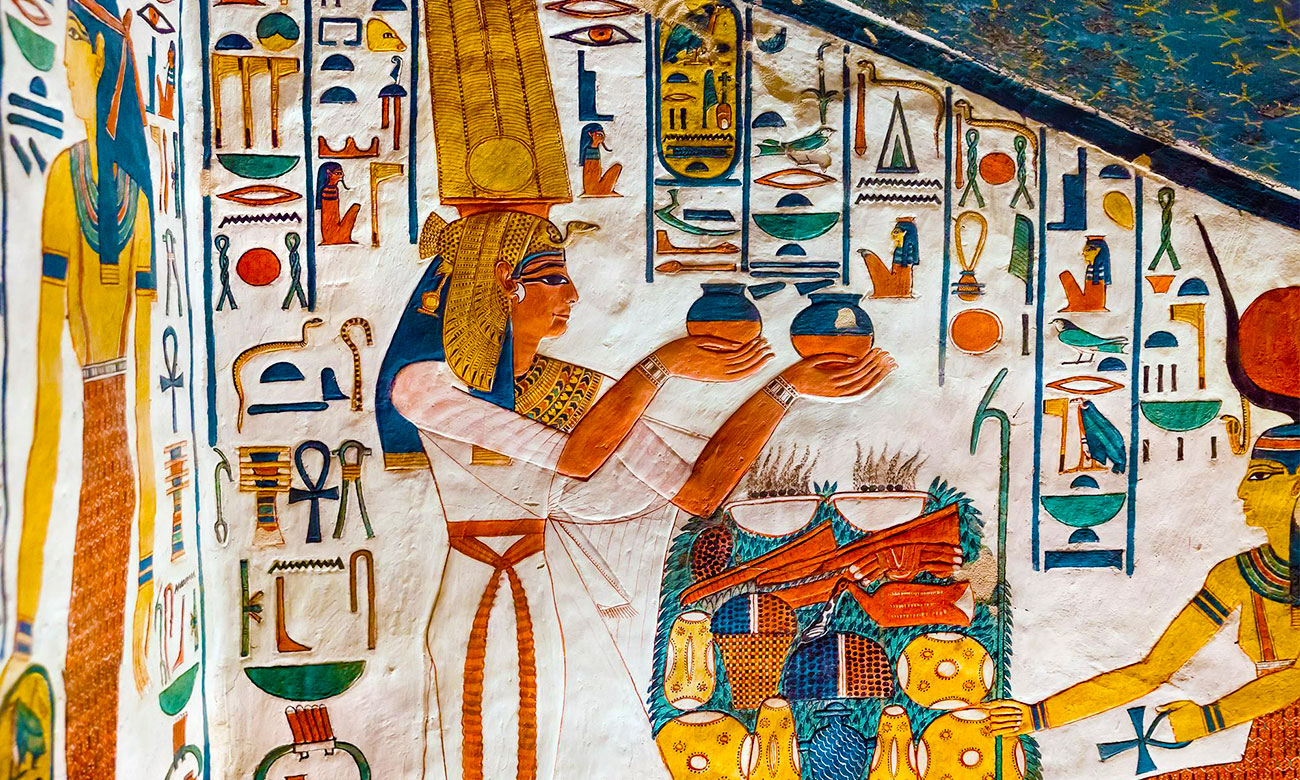
Early humans recognized symmetry in nature and replicated it in art. Ancient Egyptian art employed strict bilateral symmetry to convey order, eternity, and divine balance. Figures were often depicted in composite views—front-facing torso with profile heads and legs—creating perfect mirror symmetry that symbolized stability.
Egyptian Wall Painting
Bilateral symmetry symbolizing eternal order

The Parthenon (Greece)
Golden ratio proportions in architecture

Vitruvian Man
Renaissance ideal of human proportional symmetry
Islamic Geometric Mastery
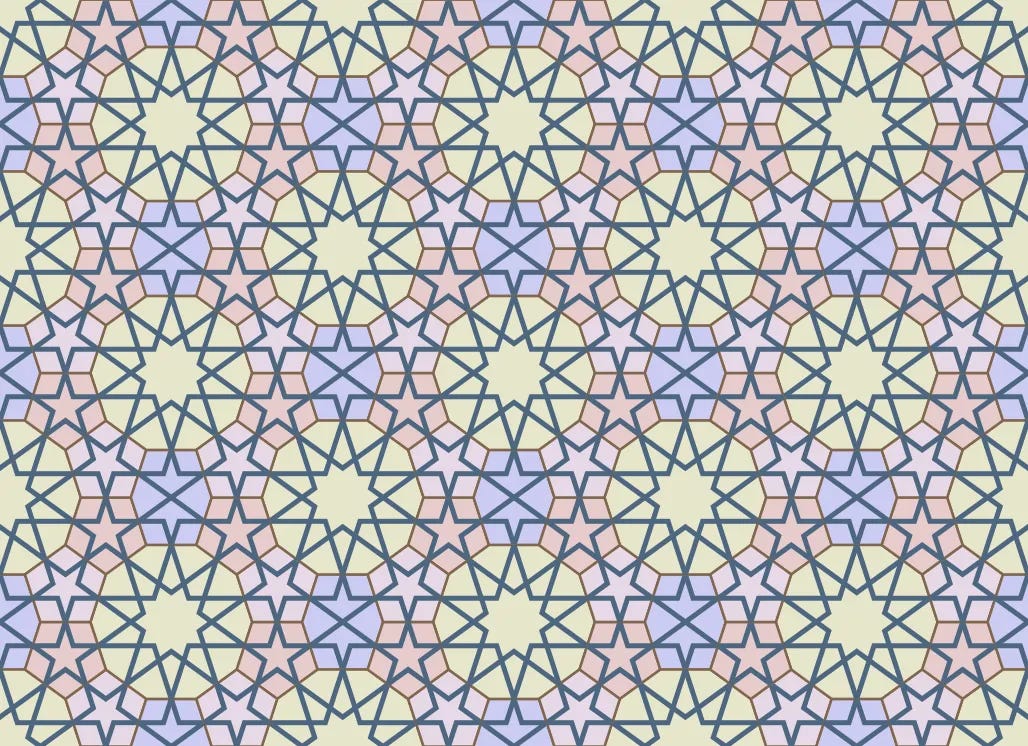
Islamic artists developed extraordinarily complex geometric patterns using translational and rotational symmetry. Avoiding figurative imagery, they created infinite repeating tiles that suggest the infinite nature of creation—perfect for architectural decoration and later textile design.
Eastern Traditions: The Mandala
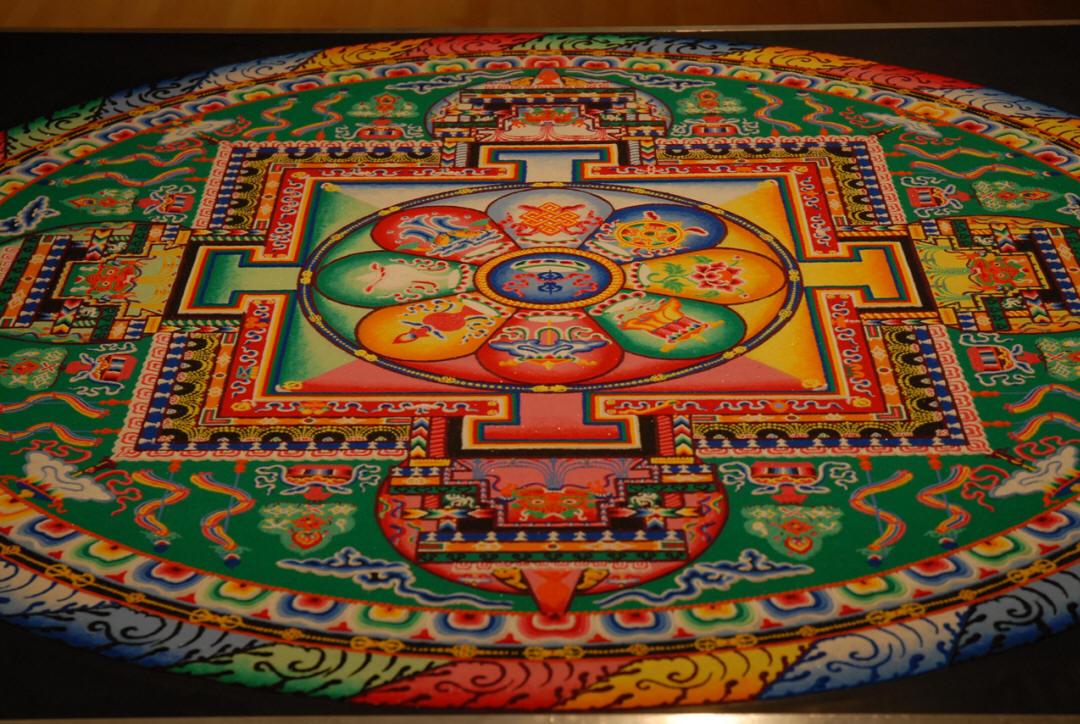
In Hindu and Buddhist traditions, the mandala represents the universe through perfect radial symmetry. Concentric circles and repeating motifs guide meditation, symbolizing wholeness. These designs heavily influence modern fashion prints and digital pattern creation.
Modern Explorations: Escher and Beyond
M.C. Escher pushed symmetry to mathematical extremes with tessellations that combine translation, rotation, and reflection. His impossible geometries continue to inspire contemporary designers and digital artists.

Symmetry in Fashion and Textile Design
Symmetrical patterns dominate fashion textiles because they create visual balance that flatters the wearer. Classic damask, floral repeats, and geometric prints all rely on mirror or rotational symmetry. In regions like Punjab, traditional phulkari and block prints often feature perfect bilateral designs.
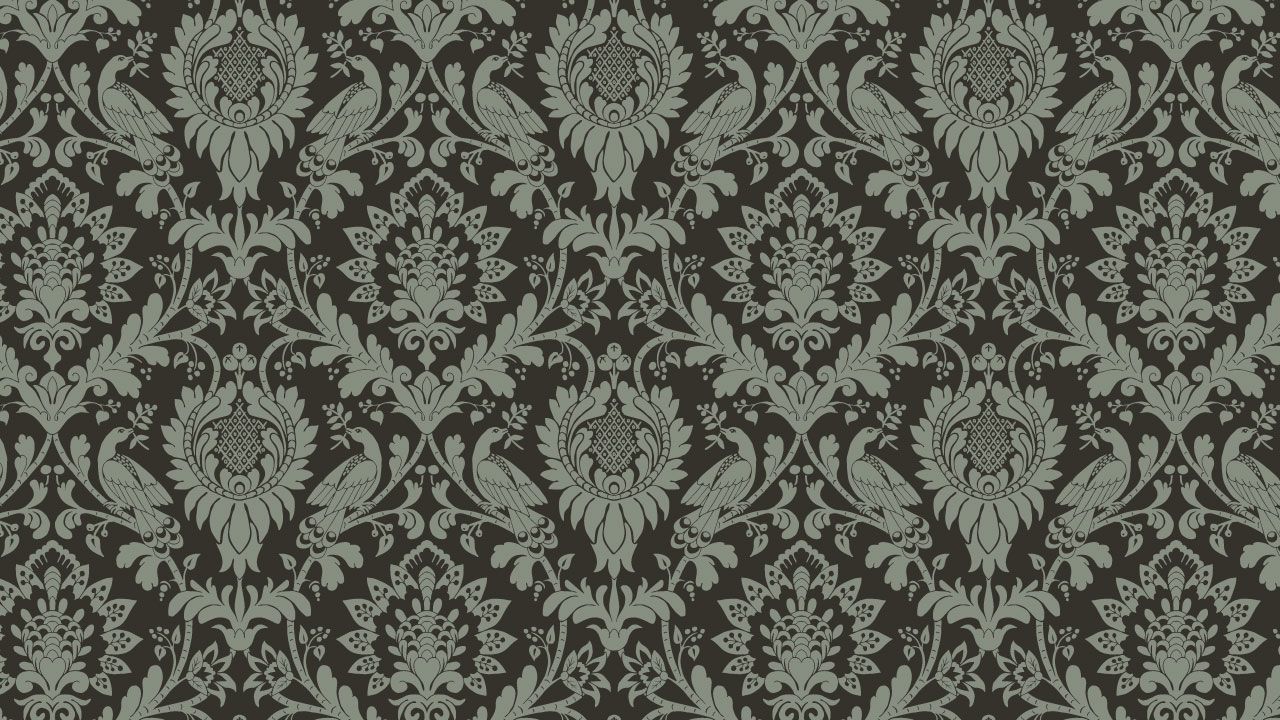
Damask Pattern
Reversible bilateral symmetry in luxury fabrics
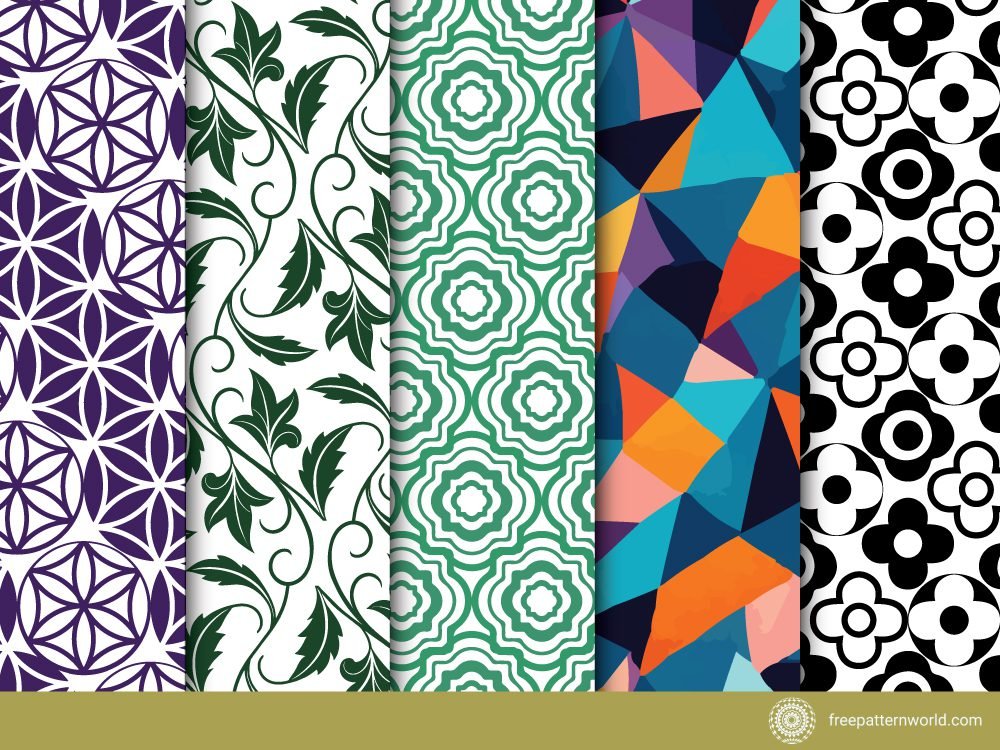
Contemporary Textile Repeats
Balanced patterns for apparel and home decor
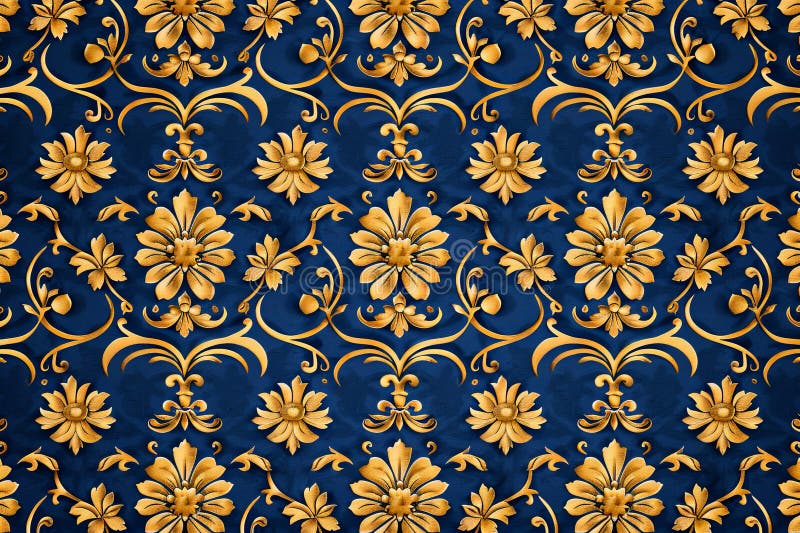
Luxury Damask
Opulent symmetrical floral motifs
Recreating Historical Symmetry with Canvoscape's Tool
Canvoscape's Symmetry Art Maker lets you instantly recreate any historical style. Choose reflection count (2 for bilateral, 6-12 for radial), draw in one sector, and watch the pattern complete automatically—perfect for fashion designers prototyping textile prints.
🎨 Quick Recreation Guide
- Islamic patterns → 8-12 fold rotational symmetry + geometric shapes
- Mandalas → High radial count + layered concentric elements
- Damask textiles → 2-fold reflection + flowing floral motifs
- Escher-style → Combine multiple symmetry modes experimentally
- Kaleidoscope effects → Real-time mirror modes with color gradients
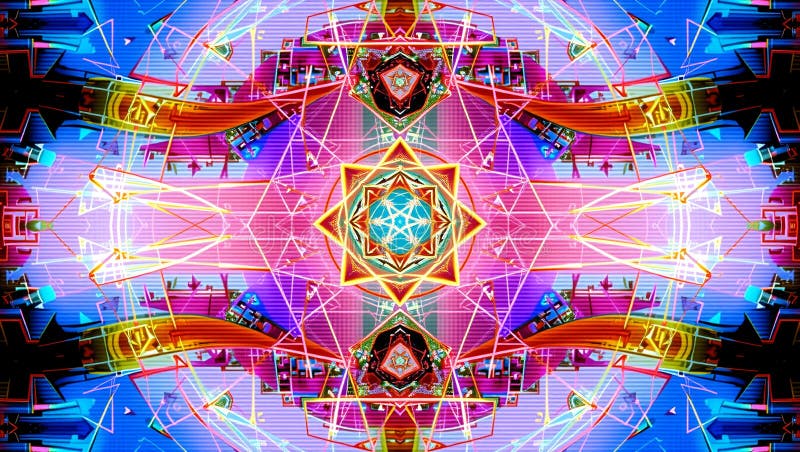
Ready to Create Your Own Symmetrical Masterpieces?
Experiment with historical and original symmetrical designs instantly—no signup, fully browser-based, and perfect for fashion pattern development.
Conclusion
Symmetry has been a constant thread through art history, evolving from symbolic order in ancient cultures to mathematical play in modern works—and remaining essential in fashion design. With tools like Canvoscape's Symmetry Art Maker, these timeless principles are more accessible than ever, empowering designers to draw inspiration from millennia of artistic tradition while creating contemporary patterns for textiles, prints, and beyond.